
Eastmallbuy Finds
Spreadsheet
OVER 5000+
WITH QC PHOTOS
Click the images below to browse!






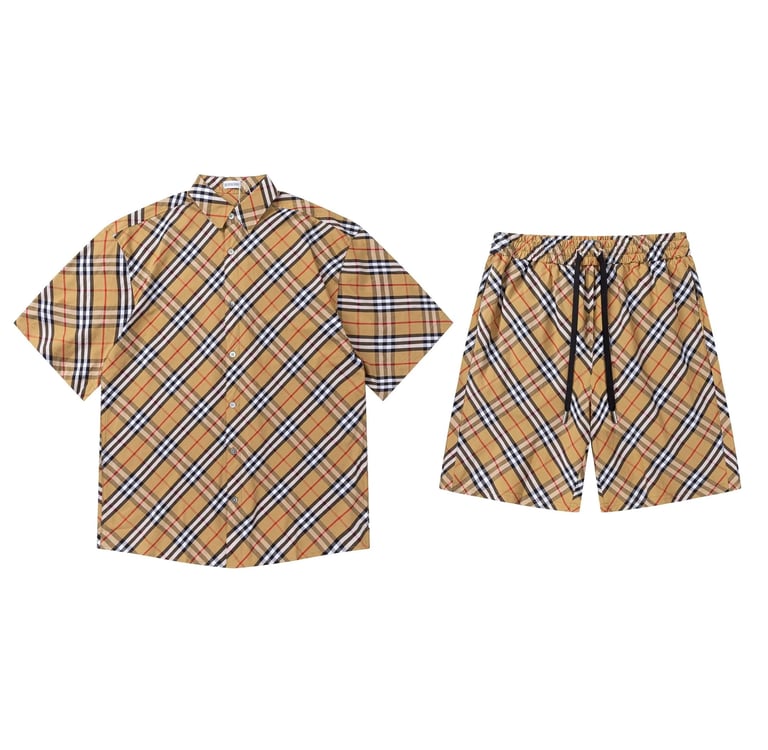
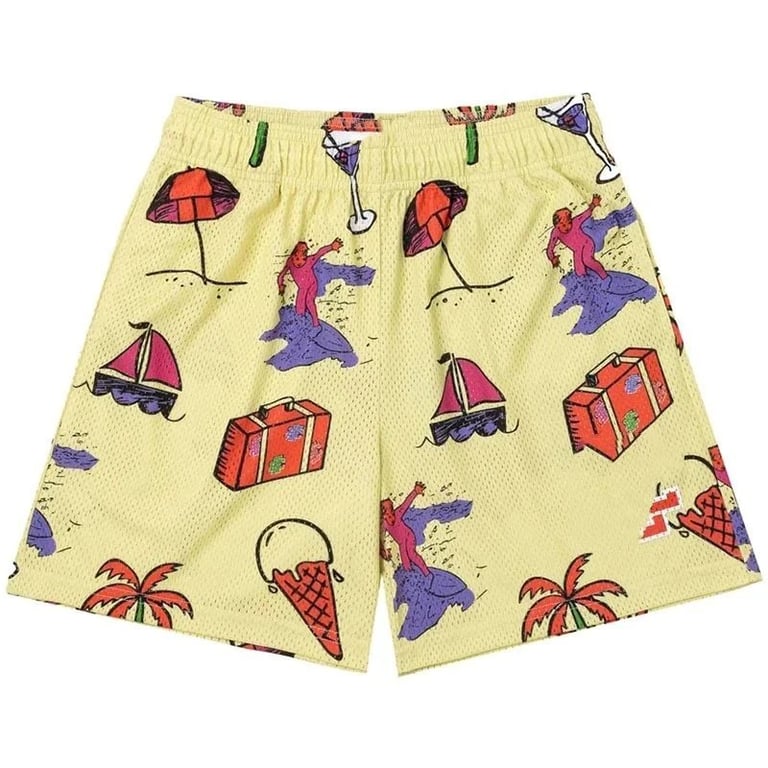
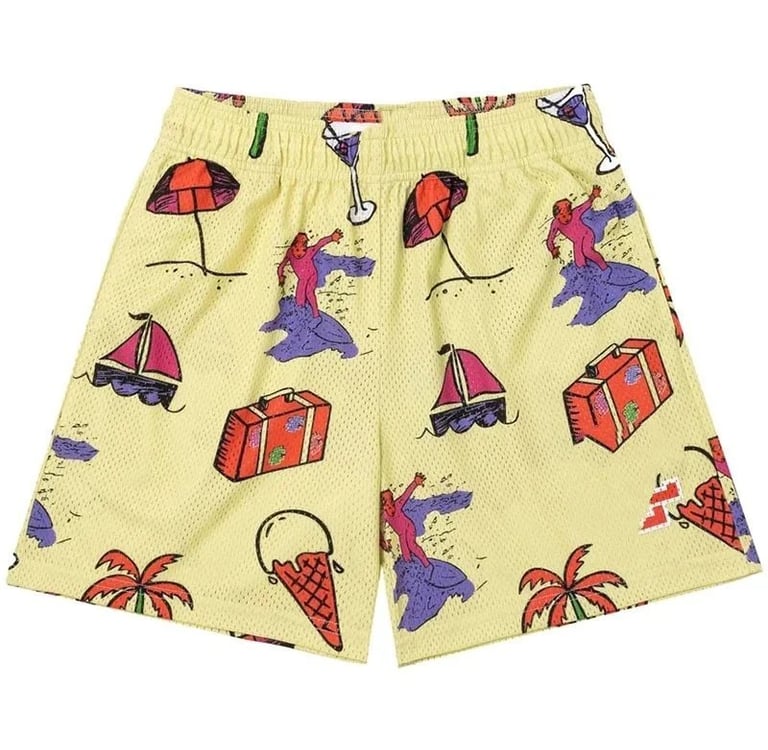
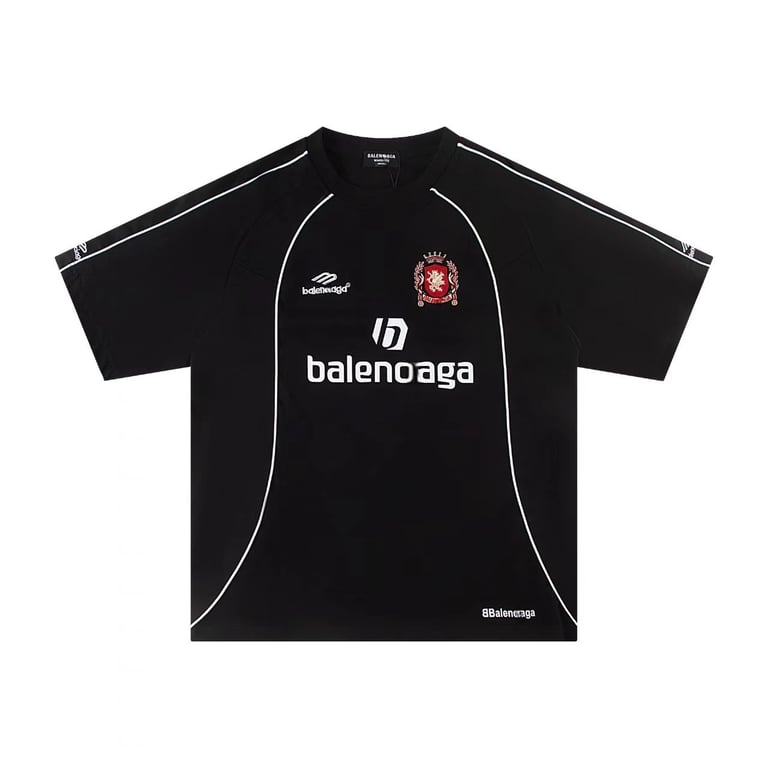



🌐 Eastmallbuy spreadsheet for organizing global daily essentials sourcing categories|household products + consumption structure + supply grouping
🧭 Introduction
Global daily essentials markets are among the most stable segments in cross-border ecommerce, driven by continuous demand for household products, personal care items, and routine consumption goods. However, despite this stability, sourcing structures remain highly fragmented across suppliers such as 1688 and various micro-store ecosystems, making category management inconsistent and inefficient.
The Eastmallbuy spreadsheet addresses this fragmentation by organizing daily essentials into structured sourcing categories based on consumption logic rather than supplier listings. It creates a unified framework for household product organization, while Eastmallbuy links provide direct access to grouped supply sources, improving sourcing clarity and browsing efficiency.
This system focuses on stabilizing consumption structure across global retail environments.
🏠 1. Household product classification system
Daily essentials can be broadly divided into four primary household categories that reflect real usage environments rather than supplier-based classification.
Kitchen-related essentials for food preparation and storage
Cleaning products for hygiene and maintenance
Storage solutions for space organization and optimization
Personal care items for daily hygiene and wellness
The Eastmallbuy spreadsheet organizes products according to these functional categories, allowing users to evaluate items based on real household application rather than fragmented listing formats.
📊 2. Stable demand structure in daily essentials sourcing
Unlike trend-driven categories, daily essentials exhibit stable and repetitive demand patterns across global markets. Users consistently purchase similar categories regardless of region, driven by routine household needs.
Key characteristics include:
High-frequency replenishment cycles
Low variability in core product types
Predictable consumption patterns over time
Strong preference for functional reliability
The Eastmallbuy spreadsheet reflects this stability by grouping products into recurring consumption clusters, making sourcing decisions more predictable and structured.
🔗 3. Mapping 1688 products into consumption categories
One of the key challenges in cross-border sourcing is translating supplier-side listings into consumer-relevant categories. Platforms like 1688 often organize products based on manufacturing logic rather than end-user usage.
The Eastmallbuy spreadsheet solves this by:
Translating supplier listings into usage-based categories
Aligning similar products under unified household functions
Standardizing inconsistent product naming conventions
Converting industrial classification into consumer logic
This mapping process allows users to interpret supplier data through a household consumption lens rather than a production-oriented structure.
🌍 4. Cross-country differences in consumption habits
While daily essentials are globally consistent in function, consumption preferences vary across regions due to lifestyle, space constraints, and cultural habits.
Examples include:
Compact storage solutions in high-density urban regions
Multi-purpose cleaning tools in cost-sensitive markets
Specialized kitchen tools in cooking-oriented cultures
Minimalist personal care sets in fast-paced lifestyles
The Eastmallbuy spreadsheet organizes products in a way that allows these regional differences to be compared and analyzed within the same structured framework.
📈 5. Retail classification model and consumption structure analysis
From a retail systems perspective, daily essentials represent one of the most structured consumption layers due to their predictable demand cycles and low volatility.
Key structural observations include:
Strong repetition of purchase categories across users
High reliance on functional classification systems
Predictable replenishment behavior across markets
Clear separation between essential and non-essential goods
The Eastmallbuy spreadsheet applies this model by turning consumption behavior into structured sourcing logic, improving both product discovery and category management efficiency.
🧾 Conclusion
In many cross-border shopping scenarios, daily essentials are not selected through deliberate comparison but through repeated, habitual purchasing patterns that evolve over time. Users often return to similar product groups without reconsidering alternatives, simply because the underlying structure of their shopping behavior remains unchanged.
Within this context, the Eastmallbuy spreadsheet does not function as a discovery tool but as a behavioral alignment layer, reflecting how routine consumption already operates in practice. Instead of encouraging users to expand choice sets, it organizes existing purchasing habits into a clearer operational structure that mirrors real-world repetition.
This creates a situation where product sourcing is guided less by exploration and more by the reinforcement of stable consumption loops that already exist across households and regions.


🌐 Eastmallbuy spreadsheet improving efficiency in household product procurement across borders|cost structure + sourcing workflow + category logic
🧭 Introduction
Household product procurement across cross-border markets is typically characterized by high frequency and low organizational consistency. Users repeatedly purchase similar categories such as cleaning supplies, kitchen tools, and personal care items, yet lack a unified system to manage sourcing history, supplier differences, and cost variation across platforms.
The Eastmallbuy spreadsheet is designed to address this inefficiency by structuring procurement workflows into a unified category-based system that connects sourcing decisions with cost visibility and product grouping logic. In addition, Eastmallbuy links provide direct access to consolidated supplier clusters, reducing fragmentation across sourcing channels.
This framework is focused on improving operational consistency in high-frequency procurement environments.
❗ Problem: high-frequency procurement with low organization
Daily essentials are purchased frequently, but the management of these purchases is often inconsistent. Users typically face:
Repeated buying of similar items without tracking history
Lack of structured comparison between previous purchases
Difficulty identifying cost fluctuations over time
Unorganized product selection across categories
This leads to inefficient procurement cycles where decisions are made repeatedly from scratch instead of being informed by past behavior.
❗ Problem: fragmented cross-border supply sources
Cross-border household procurement relies on multiple suppliers that operate independently, often without standardized categorization or pricing logic.
Common issues include:
Inconsistent product naming across suppliers
Difficulty comparing similar items across platforms
Lack of unified visibility into cost differences
Fragmented sourcing workflows across marketplaces
As a result, procurement becomes distributed across disconnected systems rather than operating within a unified structure.
⚙️ Solution: unified procurement logic through spreadsheet structuring
The Eastmallbuy spreadsheet resolves these issues by consolidating procurement data into a structured category-based system.
It achieves this by:
Standardizing product categories across suppliers
Aligning similar household items into unified groups
Structuring procurement history within comparable datasets
Creating consistent sourcing pathways across markets
This transforms procurement from fragmented purchasing into a structured workflow with visible relationships between products and suppliers.
📉 Optimization: reducing duplicate purchases and information loss
One of the major inefficiencies in household procurement is repeated purchasing caused by poor tracking and fragmented information.
The Eastmallbuy spreadsheet improves efficiency by:
Reducing duplicate product selection across cycles
Preserving sourcing history for reference
Highlighting previously selected alternatives
Minimizing information loss between purchase sessions
This ensures that procurement decisions are informed by structured data rather than isolated browsing events.
🔄 Procurement workflow optimization
A structured procurement workflow enables smoother transitions between sourcing stages and reduces unnecessary decision loops.
With the Eastmallbuy spreadsheet, the workflow becomes:
Category-based product identification
Structured comparison of suppliers and prices
Consolidated decision-making within grouped datasets
Streamlined repeat purchasing based on historical logic
In addition, Eastmallbuy links help maintain continuity between procurement sessions by preserving structured entry points into supplier groups.
🧠 Supply chain efficiency model and cost structure analysis
From a supply chain perspective, efficiency in household procurement is strongly linked to how well cost information and sourcing paths are structured.
Key analytical dimensions include:
Cost consistency across repeated purchases
Supplier variability within identical product categories
Impact of fragmented sourcing on overall procurement cost
Efficiency gains from structured procurement pathways
The Eastmallbuy spreadsheet translates these dimensions into a usable system that improves visibility across procurement operations and reduces inefficiencies caused by unstructured sourcing behavior.
🧾 Conclusion
In cross-border household procurement, inefficiency rarely comes from lack of product availability. Instead, it emerges from the absence of continuity in how purchasing decisions are recorded, compared, and repeated over time. When each procurement cycle is treated as an isolated event, cost control and sourcing accuracy become difficult to maintain.
The Eastmallbuy spreadsheet introduces continuity into this fragmented environment by linking procurement actions across time and categories, allowing users to see household purchasing as an ongoing structured system rather than disconnected transactions. This shifts procurement behavior toward a more stable operational pattern where decisions accumulate rather than reset.
Over time, this structure turns routine purchasing into a managed flow of repeatable choices rather than independent shopping events.